

Localized Treatment for Localized Cancer.
A novel therapeutic strategy combining targeted drug conjugates with localized delivery.
Localized Treatment for Localized Cancer
A novel therapeutic strategy combining targeted drug conjugates with localized delivery.
Limitations of Current Treatments for Localized Disease
Localized prostate cancer represents the largest segment of prostate cancer diagnoses. While early detection is common, current treatment options—including surgery, radiation, and androgen deprivation therapy—often result in substantial quality-of-life impacts and meaningful recurrence rates.
- Substantial side-effect profiles including ED and urinary dysfunction.
- Meaningful recurrence rates following existing therapies.
- Long-term metabolic and cardiovascular consequences of systemic care.
Localized Delivery with Targeted Precision
Local delivery enables substantially higher drug concentrations at the site of disease compared to intravenous administration, while minimizing systemic exposure. By targeting prostate cancer cells directly within the prostate, this strategy aims to maximize therapeutic impact while preserving future treatment options.
-
High Potency
Direct injection achieves drug concentrations substantially higher than systemic dosing.
-
Local Effect
Treating cancer where it exists without compromising long-term patient well-being.
MVB-101: A Bi-Specific Targeted Drug Conjugate
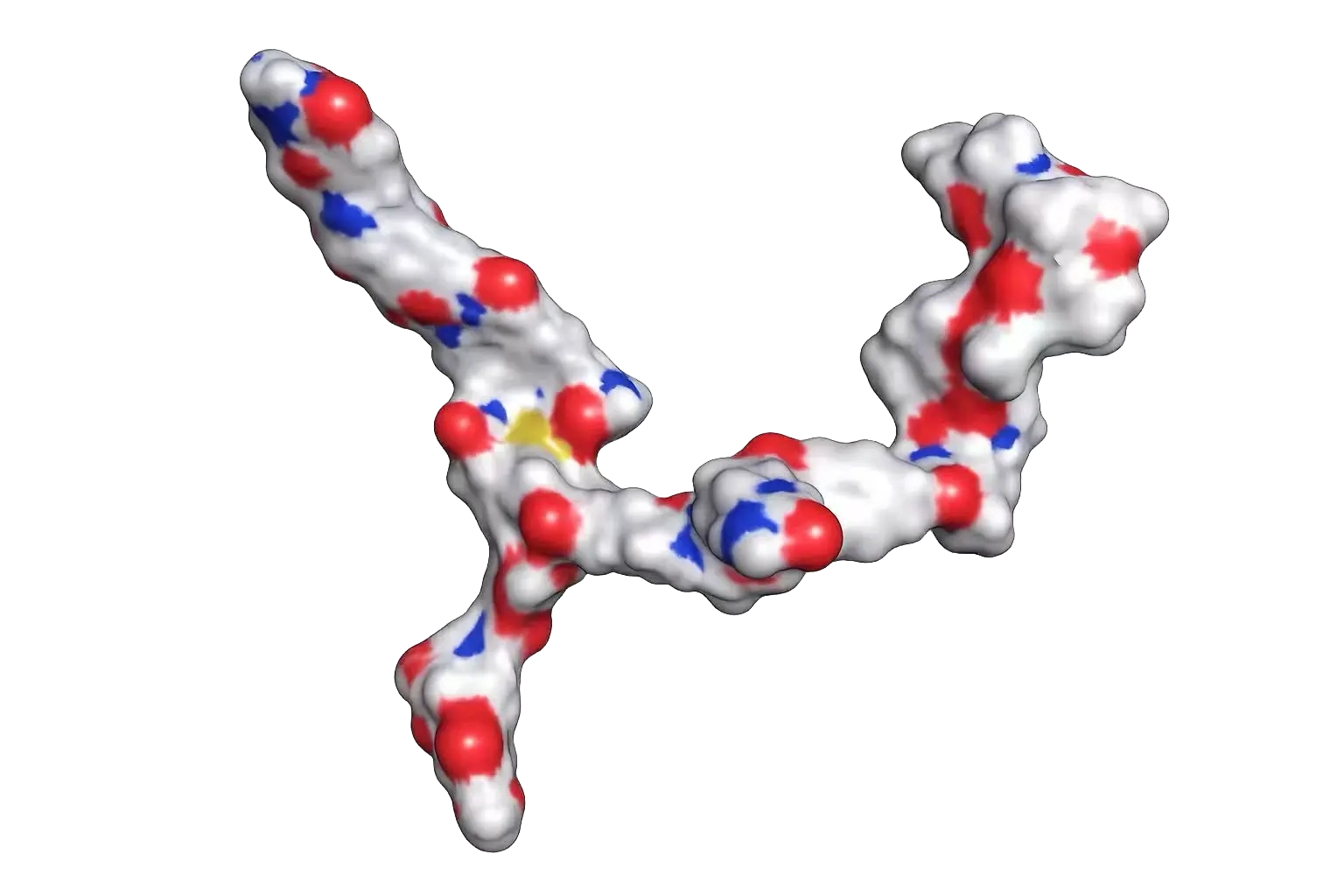
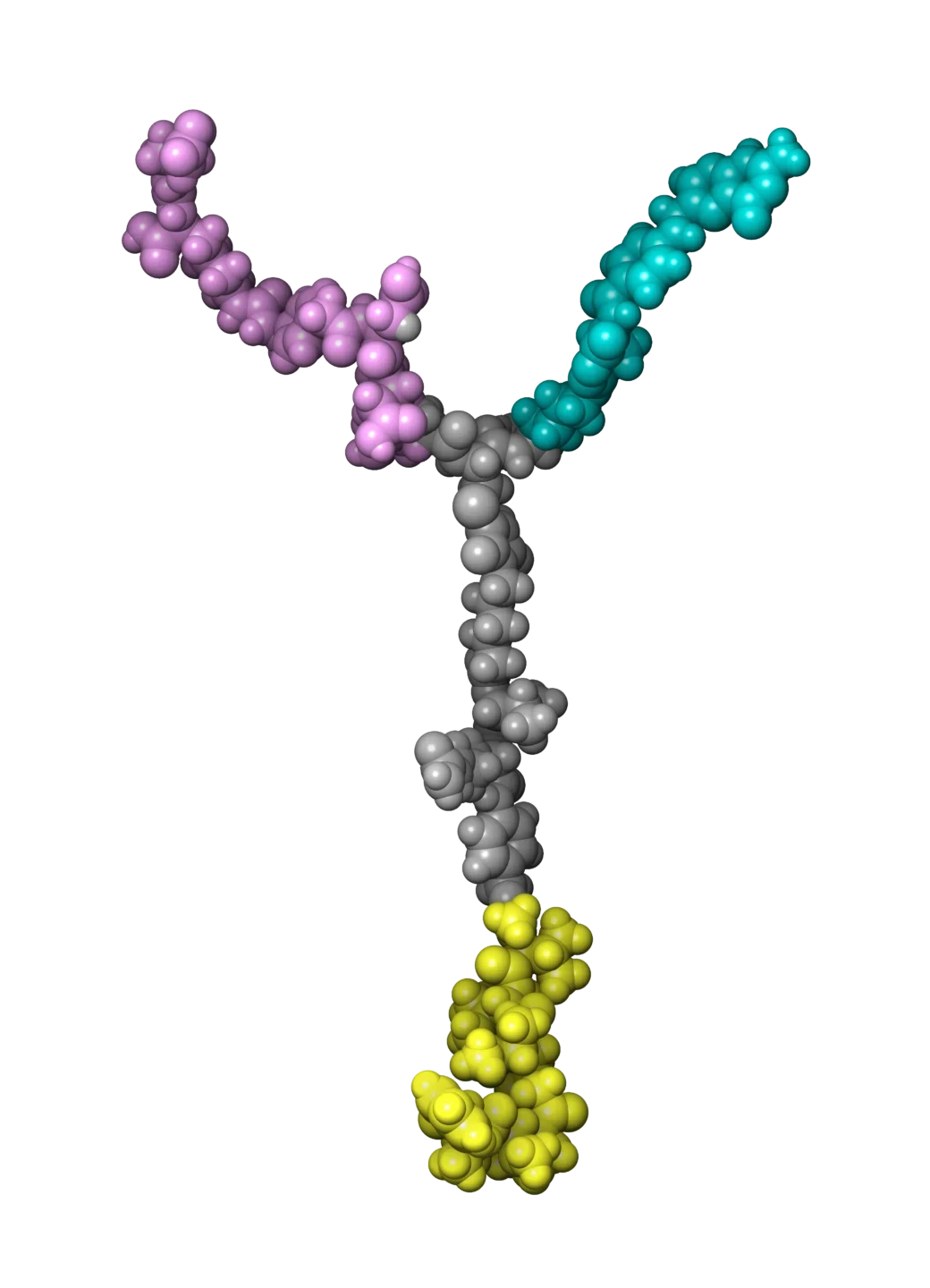
MVB-101 is a low molecular weight, bi-specific peptide-like drug conjugate designed to selectively target prostate cancer cells. The molecule binds both prostate-specific membrane antigen (PSMA) and folate receptor alpha, two targets that are highly expressed in prostate cancer tissue.
The conjugate delivers monomethyl auristatin E (MMAE), a highly potent cytotoxic payload with demonstrated clinical activity in approved antibody-drug conjugate therapies.
The small molecular size of MVB-101 is expected to facilitate rapid and uniform distribution throughout the prostate following local administration.
Targeted Delivery of a Potent Cytotoxic Payload
-
Selective Binding
MVB-101 binds selectively to PSMA and folate receptor alpha expressed on prostate cancer cells.
-
Internalization
The drug conjugate is internalized, releasing the MMAE payload within the targeted cancer cells.
-
Chemotherapeutic Action
MMAE disrupts microtubule formation, leading directly to targeted cancer cell death.
Bivalent targeting is expected to enhance binding probability and may reduce the likelihood of resistance, while localized delivery allows for therapeutic concentrations significantly higher than those achievable through systemic dosing.
Data Supporting Targeted Activity
The MMAE-based therapeutic payload has demonstrated encouraging anti-tumor activity in metastatic prostate cancer patients when administered intravenously, despite limited tissue concentrations. These clinical observations provide important validation of the therapeutic mechanism.
Preclinical bridging data support the safety of intraprostatic administration. Local delivery resulted in markedly higher drug concentrations within prostate tissue compared to intravenous dosing, with no observed systemic hematologic toxicity and only localized inflammation at the injection site.
- Validated Safety Profile
- Enhanced Local Efficacy
- Minimal Systemic Impact
Clinical Development for Localized Prostate Cancer
MultiValent is advancing MVB-101 through a structured clinical development pathway designed to evaluate safety, tolerability, pharmacokinetics, and preliminary efficacy in patients with localized prostate cancer.
Planned clinical milestones include:
-
Initiate Phase 1b/2a clinical development (2026)
-
Completion of Phase 1b dose escalation (2027)
-
Completion of Phase 1a/2b clinical trial (mid-2028)
A Unique Approach in Prostate Cancer Treatment
MultiValent Biotherapies’ therapeutic strategy is distinct in its focus on localized delivery of a targeted chemotherapeutic agent for localized prostate cancer. To date, no other company is pursuing this specific combination of targeted drug conjugate technology and intraprostatic administration for this patient population.
This differentiated approach provides an opportunity to address a large unmet need with a potentially transformative treatment.